
If you are a sole trader or you run a small business, creating a book or resource can be a great marketing tool. You can use your business know-how to attract new clients, or to keep them coming back. This short guide will help you decide whether publishing a book is a good idea for you. It’s based on my years of experience of helping business owners to publish their own books, and to publish well.
Why would a business publish a book?
Content marketing: A book can be a good promotional or marketing tool. It sets you up as an expert in the subject and shows people why they should use your services or buy from your business.
Income diversification: It can be a product in its own right that you sell as an additional income stream.
Incentive or add-on: It can be an add-on that you give away as an incentive to buy something else or attend an event.
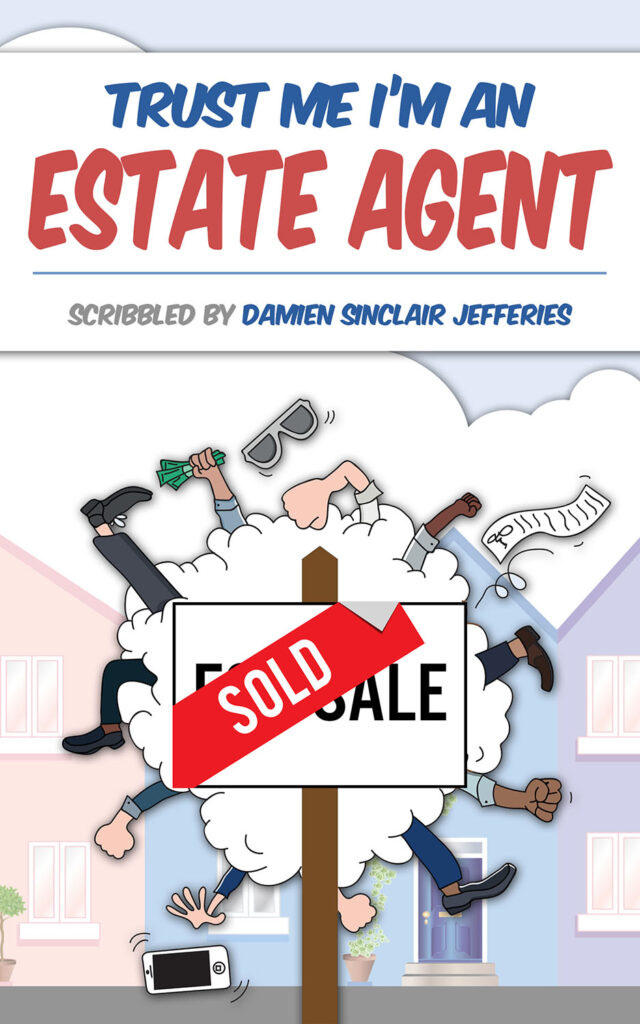
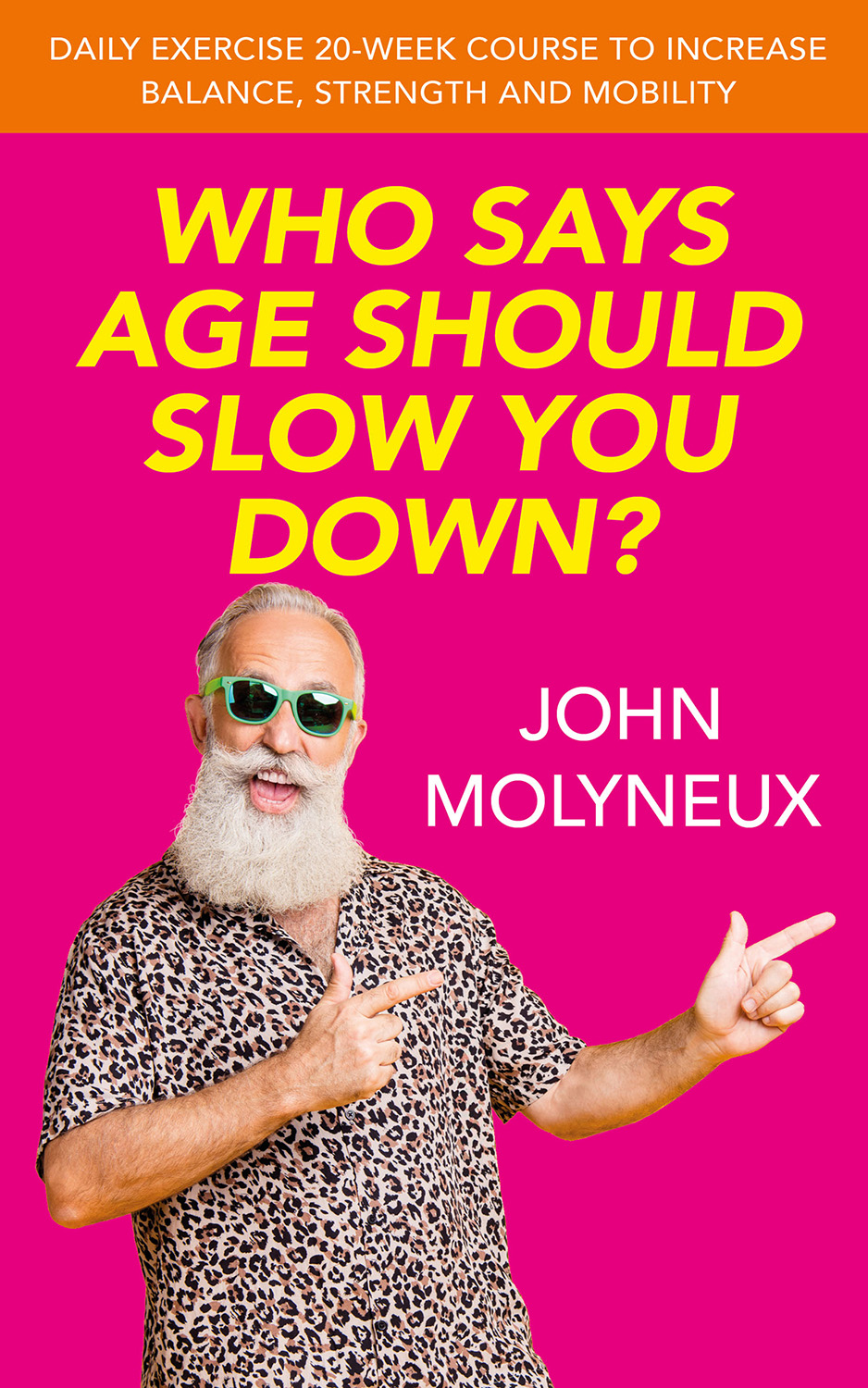
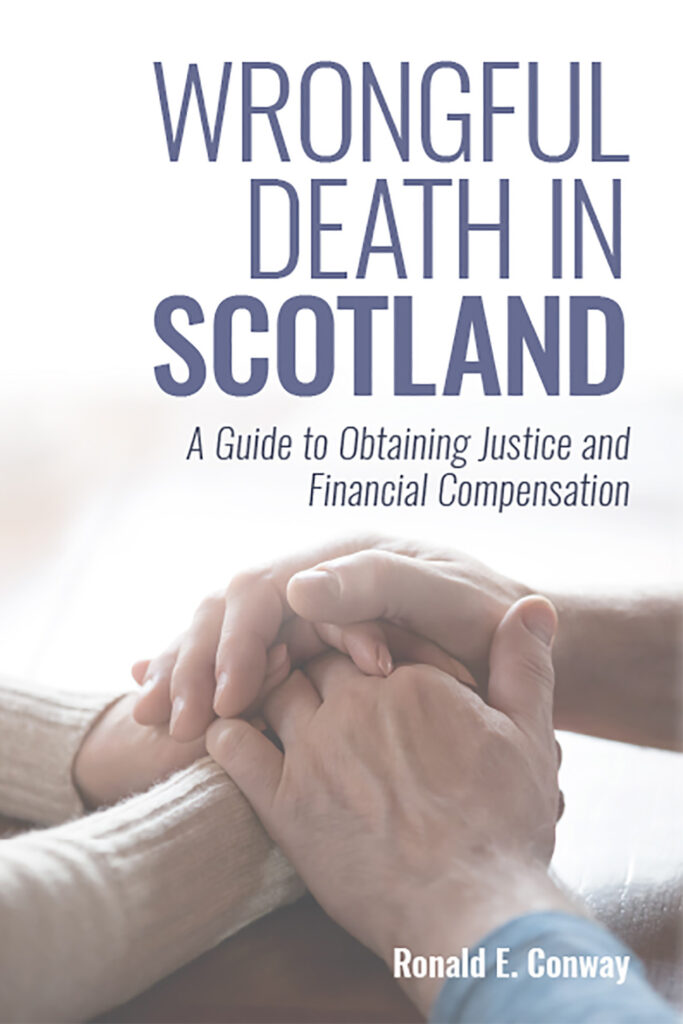
What have you learned through running your business? If that knowledge would be useful to other people, perhaps it would work in book form. For inspiration, here are some books my clients have published to promote their businesses.
Publish like a pro
If you’re going to publish a book to promote your business then you want it to be a good book. That means having great content but also making it look professional. You can do that by hiring experienced creative professionals to do certain publishing tasks for you.
The publishing workflow
To publish your book or document in the most efficient way, do things in the right order and hire the right people. Otherwise you may create unnecessary work for yourself and the professionals who work with you, not to mention expense. Here is a typical book publishing workflow and who can help you do it.
Step 1: Idea
- Sketch out your ideas
- Do your research
- Plan the content
Step 2: Write
Get feedback on your draft:
- Writing group
- Critique or appraisal editor
- Authenticity reader
Step 3: Edit
- Big picture: developmental/structural editor
- Flow and tone: line or copy-editor
- Detail: copy-editor
Step 4: Design
- Interior pages for print and digital: book, document or ebook designer/formatter
- Book cover: cover designer
Step 5: Proofread
Final quality check of the layout:
- Proofreader
- And author.
Create your content
- Decide what the purpose of your book will be. To attract new customers? To offer advice to existing clients? To create a new income stream?
- Identify how your knowledge can achieve that purpose.
- Start writing. Get some feedback. Review what you’ve written. Repeat as necessary until you’re happy with it!
If you don’t feel up to writing the content yourself, or don’t want to, consider hiring a ghostwriter to turn your ideas into book text.
Your book draft just needs good content. Don’t worry at this stage about spelling, grammar, punctuation, layout and the like. You’ll hire professionals to sort those issues for you.
Tip: Don’t try to format the pages to look like a finished book. That’s the job of your designer or formatter, and any formatting you do in the draft may need to be stripped out. Use only one or two fonts, and clearly identify headings and any other structural elements (such as boxed text).
Hire the right team to help you publish
Make editorial help your biggest spend
Getting professional editorial help with what you’ve written is arguably the most important step in publishing a good book. You’re too close to what you’ve written to successfully do all the editing yourself. ‘Editing’ covers a lot of tasks, and you may not need professional help with them all. The most important levels of editing for a book are:
- Developmental editing: Getting the basic structure and content right.
- Copy-editing: Making sure the writing is clear and correct and fixing the detail (including spellings, punctuation, grammar and consistency choices).
- Proofreading: The final quality check after your designer or formatter has created the layout of the book.
Download my free guide to learn more about the different types of editing and which type you need when.
Source professional design and layout to avoid looking like an amateur
Design is creating the look of your book. This can start while your text is being copy-edited. Hire a professional book designer, not a general graphic artist.
Layout or formatting means preparing the final formats for publication to the design specifications. This stage can’t be completed until you have finished editing all of the words and content. The designer or formatter will send you drafts (proofs) of the print layout or digital version for you or a professional to do the final proofreading before publishing.
It’s very easy to get book design and layout wrong if you don’t know what you’re doing or you go for low price over verified quality when hiring a professional. It may seem like a good corner to cut, but you may feel the pain later in poor sales, lost credibility or bad reviews.
For a print book you’ll need design and layout for the interior pages and a great cover design. If you’re creating an ebook version you’ll also need someone who knows the particular formatting requirements for that. Those are very different tasks, so research the best people for each job. Recommendations from people you know or credible client testimonials are a good way to help choose.
Remember the ‘hidden’ publishing tasks
There’s a lot more that goes into creating a book than writing, editing and layout. Here are some of the other tasks that a publisher needs to do. If you’re creating your own business book, that means you. Again, you can do some of these tasks yourself, or you can hire people to do them for you.
Legalities
If you write a book (or any other published content) you have responsibilities as the author to make sure your work is legal. That includes checking for:
- Copyright: The content must be your own or else be licensed for commercial use by you. For example, you can’t just use any image you’ve found on the internet, and you will need to get permission (often for a fee) to quote song lyrics or poems.
- Plagiarism: Likewise, you must write the text in your own words, not copy or paraphrase someone else’s.
- Defamation (libel): If you’re writing about real people (including case studies), make sure you understand the laws on defamation and privacy.
Publishing practicalities
You’ll need to do some research on the publishing practicalities, including:
- Print or digital: What’s the best format for your book? Paper copies, ebook versions or both?
- Print book size (trim size): You’ll need to decide on a print size early, as it’s needed for your page and cover designs. But it’s not always a free choice as it’s limited by which printing company you use, the colour and weight of the paper and where you want to sell the book.
- Publication details: You’ll need an ISBN, a publisher name, a short description, and relevant book industry keywords.
Marketing and distribution
How will readers find your book? Do you need it to generate a profit? If so, where will you sell it? Or will it be a business cost because it’s a promotional tool? If so, options include a free download on your website, giving it away at events or getting it into libraries or other public sites.
Do you need help to publish your book?
Ask about Daisy Editorial book publishing services
Daisy Editorial can help you through the process of publishing your business book. Get in touch for a free no-obligation quote for copy-editing, proofreading, and design and layout. If you need other services, I’ll point you in the right direction.
Consider joining ALLi
The Alliance of Independent Authors offers a wealth of advice for people publishing their books independently (known as independent authors or self-publishers). As well as getting free access to all of its publications, you’ll be able to ask questions of and get advice from other ALLi members who’ve already published books.
Disclosure: I’m a Partner Member of ALLi (as I provide services to indie authors) so that’s my affiliate link. If you join after following the link I’ll get a small referral fee – you’re welcome to go direct to the ALLi site if you prefer.
This article is also available as a free PDF download.
© Daisy Editorial 2025. All rights reserved.